Understanding the Journey to Your First Major Rank
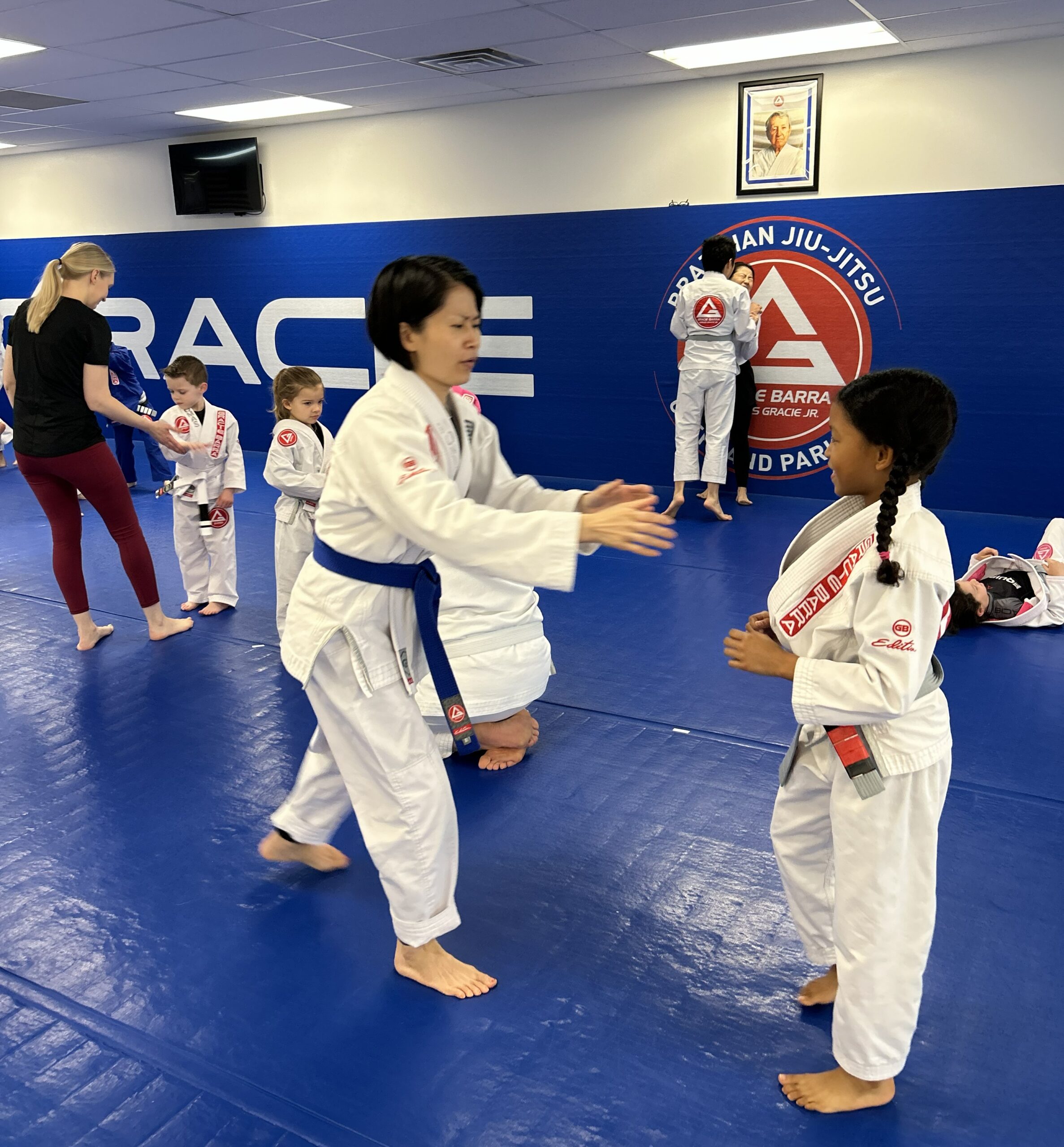
Stepping onto the mats as a beginner brings excitement alongside the challenge of deciphering the core bjj blue belt requirements. In Overland Park, students embark on this path to develop reliable body mechanics, positional awareness, and dependable self-defense reflexes against resisting training partners.
Earning this milestone represents far more than memorizing independent techniques; it reflects a functional framework where movement becomes intentional and composed. At Gracie Barra Overland Park, our curriculum guides students through structured steps that transform foundational movements into sustainable, instinctual habits during live practice.
DISCOVER GRACIE BARRA OVERLAND PARK
CLICK HEREEssential Defensive Foundations and Positional Survival
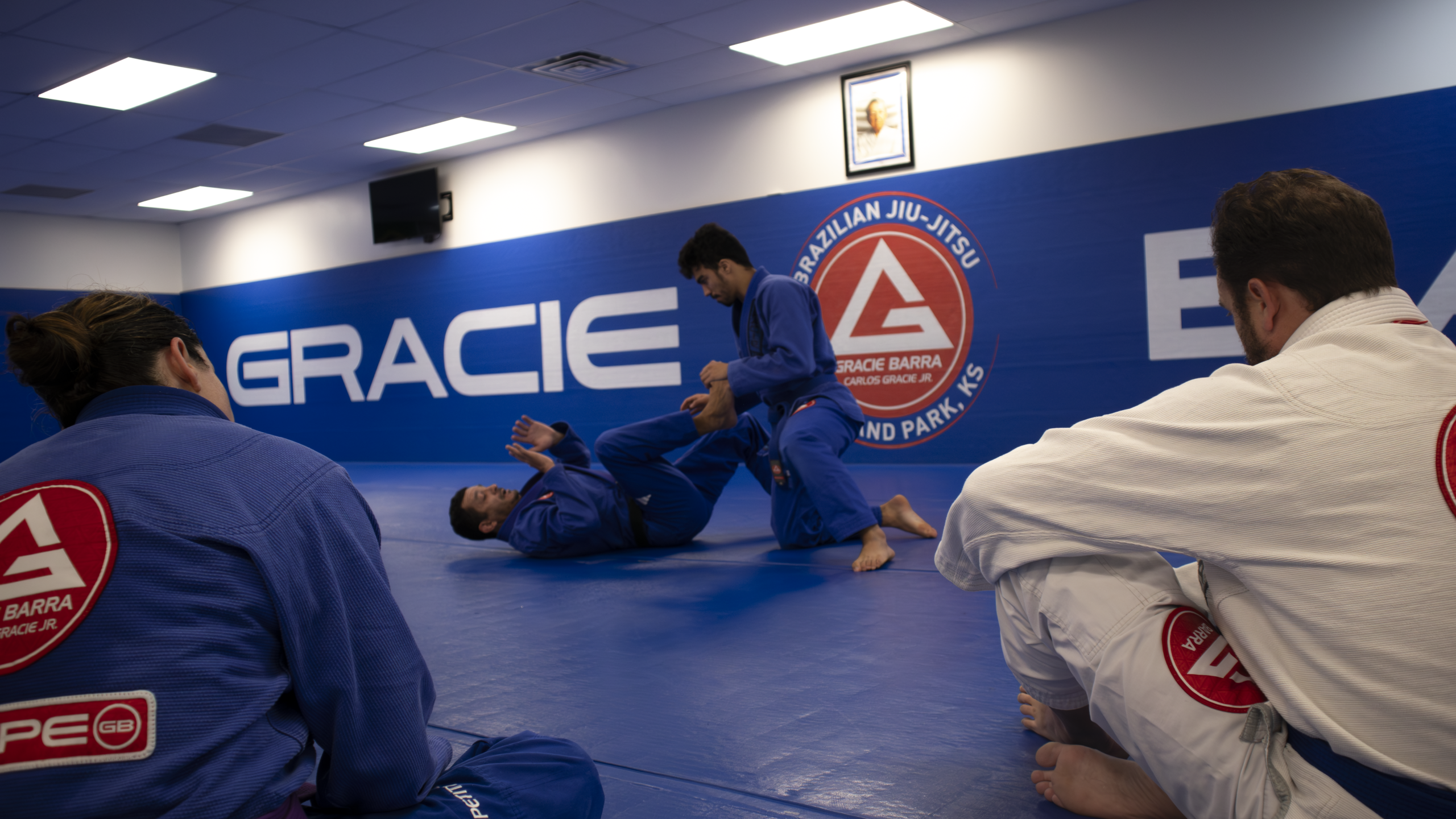
Positional survival serves as the genuine cornerstone of white-to-blue rank advancement across traditional martial arts standards. Before orchestrating complex submissions, an ascending student must demonstrate the composure and mechanics necessary to neutralize superior pressure.
Mastering Frames and Defensive Posture
Defensive framing relies on skeletal alignment rather than muscular resistance to maintain vital space under adverse pressure. Developing clean forearm and knee frames shields your neck and prevents opponents from flattening your shoulders onto the mat.
Students must consistently apply structural frames to stay calm beneath heavy pressure, building dependable positional awareness during intense sparring sessions.
Escaping Side Control and North-South
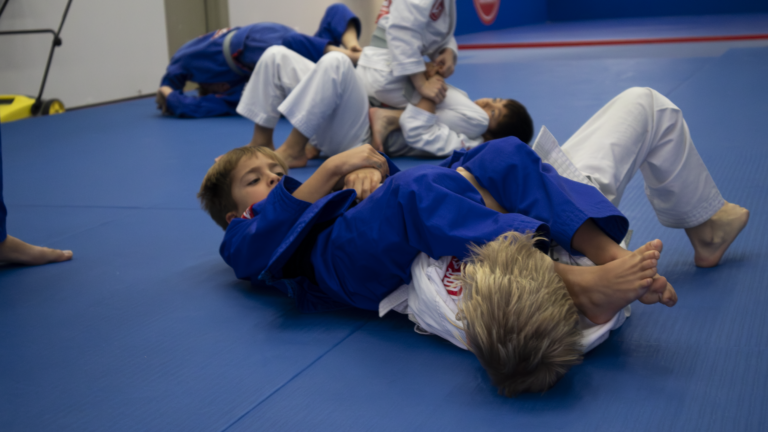
Escapes require synchronizing explosive hip escapes with precise underhooks to reconstruct a neutral guard position. Rushing into bench-press motions exhausts energy reserves and leaves limbs vulnerable to immediate submission counters.
Refining an efficient elbow-escape from bottom control allows you to recover guard without absorbing unnecessary punishment from aggressive opponents.
Mount Survival and Hip Bridge Mechanics
Surviving bottom mount requires keeping elbows glued to your ribcage and hands positioned to protect the collar line. Practitioners must recognize weight shifts to determine whether an upa roll or an elbow-to-knee transition offers the safest pathway.
A blue belt candidate avoids panicking when trapped underneath, executing mechanical bridges with deliberate timing rather than relying on erratic effort.
Back Defense and Choke Neutralization
Protecting the neck against rear strangle configurations represents a mandatory technical checkpoint in graduation evaluations. Establishing head position on the mat while actively fighting two hands against one prevents strangulation attempts effectively.
Maintaining awareness of the opponent’s over-under grips ensures you rotate your hips toward the safe side, systematically clearing body hooks before disengaging.
Fundamental Guard Work and Transitional Control
A well-rounded guard forms the primary offensive and transitional weapon for every emerging grappler. Understanding distance management bridges defensive resilience with proactive sweeping opportunities.
Closed Guard Retention and Broken Posture
Closed guard serves as a dynamic defensive shield when you consistently break your opponent’s posture down using collar grips and climbing knees. Keeping opponents off-balance prevents them from establishing base to open your ankles safely.
Executing high-percentage sweeps from closed guard teaches students how leverage effortlessly manipulates a larger training partner’s center of gravity.
Open Guard Recovery and Distance Management
Open guard demands active feet on hips, grip fighting, and quick hip adjustments to counter directional passing pressure. When training partners attempt rapid toreando or knee-cut passes, practitioners must re-insert framing knees immediately.
Demonstrating active guard retention proves that a practitioner possesses the technical answers needed to fulfill core bjj blue belt requirements.
Basic Half Guard and Underhook Security
Half guard transitions from an inferior pin into a potent attacking platform once you secure the deep underhook and avoid being crossfaced. Winning the underhook battle enables back takes, dogfight battles, and deep single-leg sweep initiations.
Consistently preventing opponent crossfaces ensures that your bottom half guard remains an active, mobile threat rather than a static stalemate.
Passing Systems and Core Submissions
Transitioning past an opponent’s legs requires deliberate balance, posture, and methodical passing sequences. Clean passes combined with high-percentage submissions reflect genuine technical maturation on the mats.
Pressure Passing and Base Distribution
Executing successful passes relies on disciplined posture, firm grip connections, and continuous hip pressure to collapse defensive guard frames. Shifting weight across transitions denies bottom players the space necessary to invert or establish dynamic hooks.
Methodical pressure passes like the over-under or double-under demand patience, allowing you to advance directly into consolidated side control.
Standing and Torona Passing Variations
Standing guard breaks and dynamic passes test footwork, mobility, and spatial timing against active guard players. Moving diagonally across hip angles forces defenders to expose vulnerable turning angles and open recovery routes.
Practitioners must balance active mobility with tight balance, ensuring opponents cannot latch onto legs for unexpected ankle picks or tripods.
Primary Submissions from Dominant Positions
High-percentage submissions for blue belt candidates emphasize straight armlocks, cross-collar chokes, and basic kimura mechanics from mount and side control. Finishing these holds requires precise body positioning rather than sudden, jerky muscle exertion.
Applying submissions cleanly with strict adherence to training safety ensures controlled leverage and mutual respect throughout all mat sessions.
Technical Philosophy and Mat Etiquette
Achieving the blue belt rank reflects dedication to safety, consistency, and an analytical mindset toward personal progress. True competence emerges when a practitioner rolls with controlled intensity, focusing on technique selection over raw physical exertion.
Training at Gracie Barra Overland Park reinforces that belt promotions represent personal responsibility and leadership. Upholding cleanliness, respect for teammates, and open communication ensures our mat environment remains positive and productive for every belt level.
Measuring Technical Progression and Mat Consistency
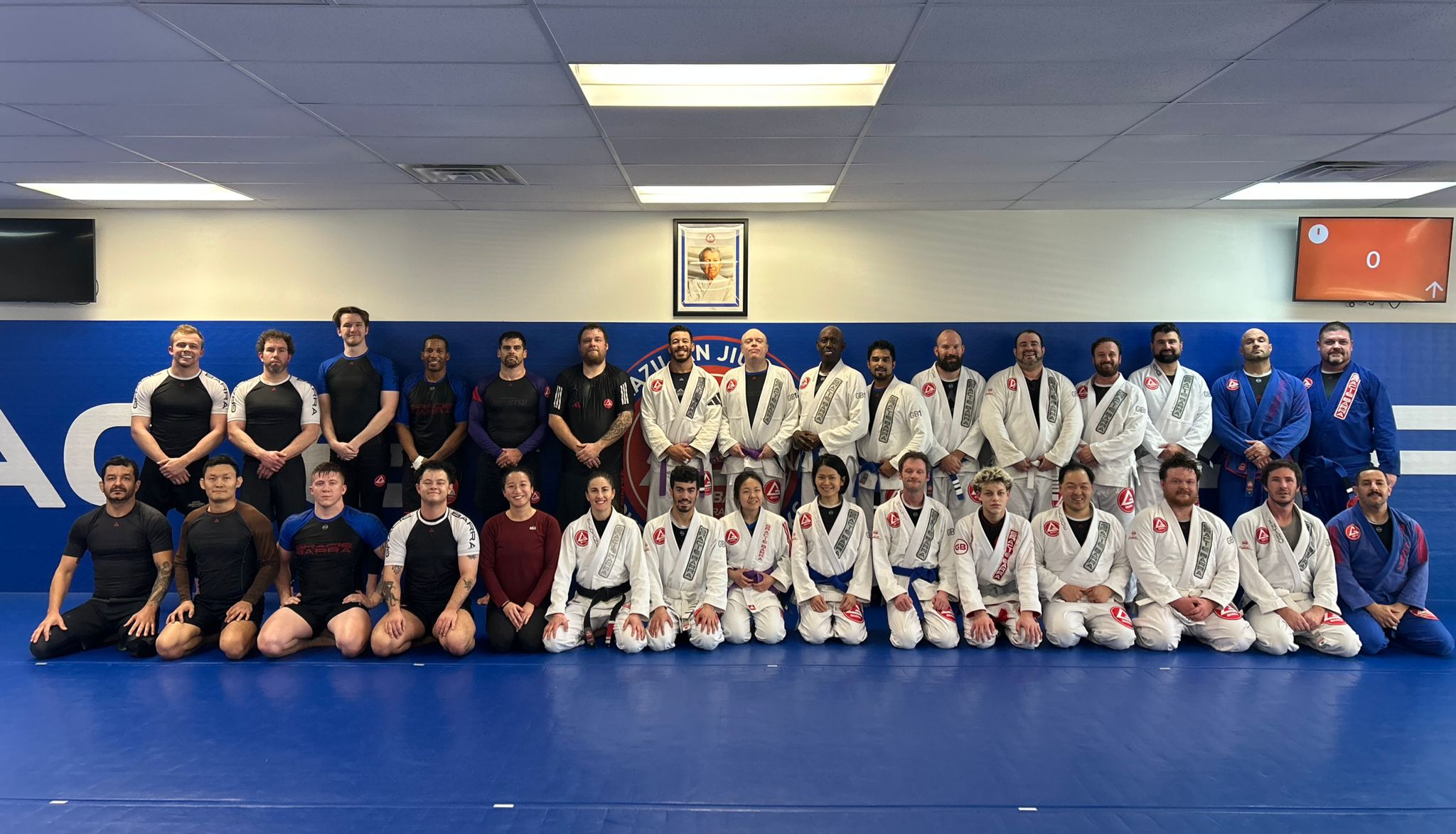
Advancement in martial arts stems from attending classes consistently, analyzing personal mistakes, and drilling repetitions until motions become intuitive. Instructors evaluate how well you handle defensive pressure just as thoroughly as your offensive combinations.
Meeting all bjj blue belt requirements signifies that a student has constructed a reliable foundation and can protect themselves comfortably against untrained adversaries or fellow practitioners.
DISCOVER GRACIE BARRA OVERLAND PARK
CLICK HEREYour Next Step on the Martial Arts Journey
Understanding and fulfilling the bjj blue belt requirements marks the completion of your initial foundation and opens the door to deeper technical expression. Every repetition drilled in practice builds enduring composure, self-assurance, and technical clarity.
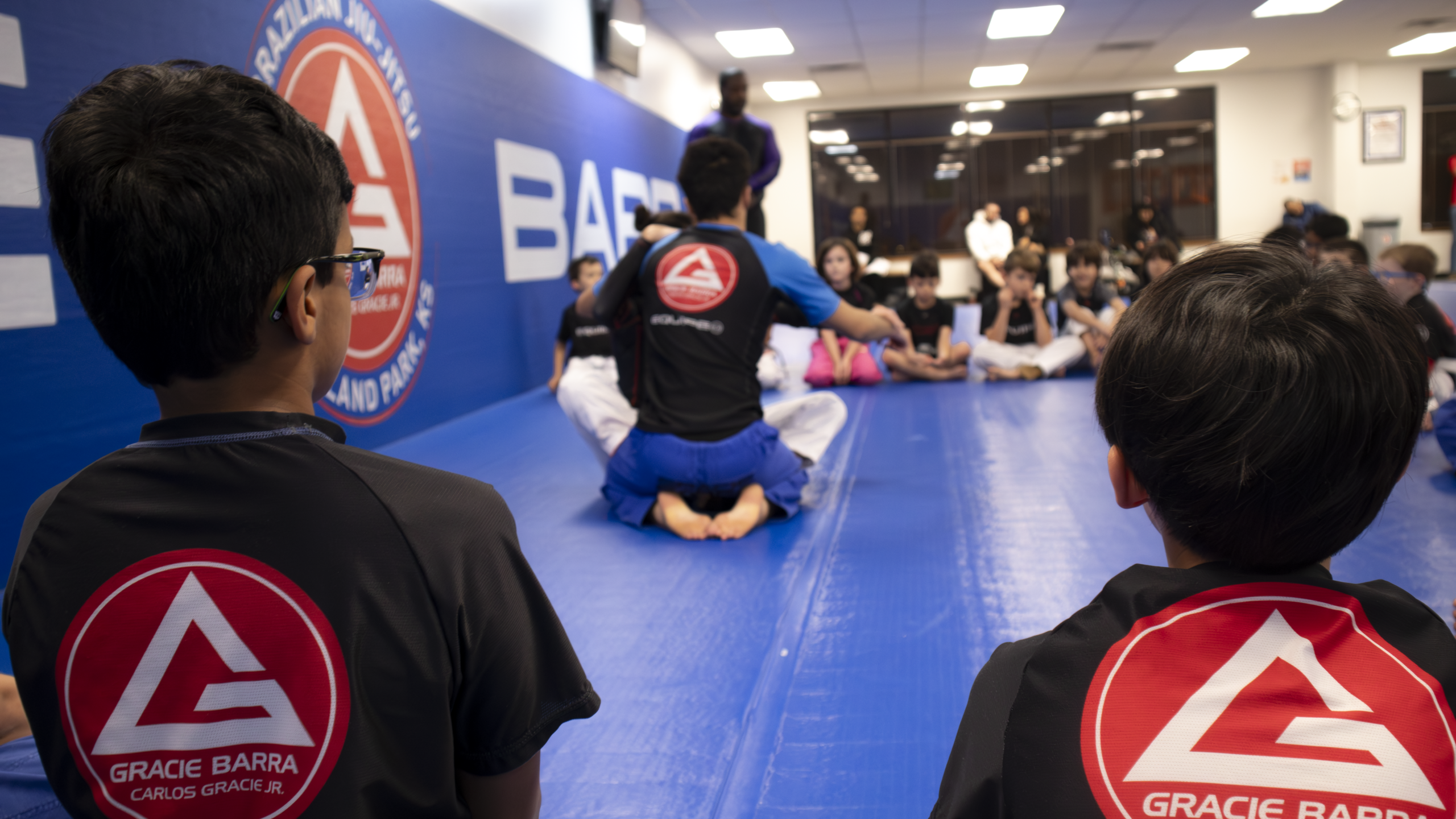
Whether you train for health, personal protection, or the joy of learning, the community in Overland Park stands ready to guide you. Step onto the mats with an open mind, stay dedicated to your weekly practice, and embrace the transformational journey ahead.